
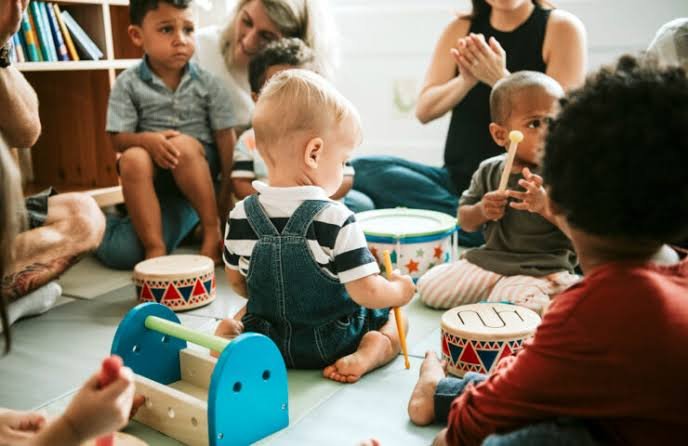
A child’s early years are filled with rapid growth, discovery, and learning. During this critical stage, children develop the social, emotional, cognitive, and communication skills that serve as the foundation for lifelong success. One of the most important decisions parents make during this period is selecting the right preschool.
A quality preschool does far more than provide day supervision. It creates a nurturing environment where children learn how to interact with others, solve problems, express themselves, and develop confidence. Organizations such as Lil People World recognize the importance of providing enriching early learning experiences that help children thrive both academically and socially.
As research and educational best practices continue to evolve, parents are increasingly looking beyond convenience and focusing on the overall quality of early childhood education. Understanding what makes a preschool effective can help families make informed decisions that benefit their children for years to come.
The Importance of Early Childhood Education
The first five years of life are among the most significant stages of human development. During this time, children’s brains form connections at an extraordinary rate, making early learning experiences highly influential.
A strong preschool program supports development in several key areas:
- Language and communication skills
- Social and emotional growth
- Problem-solving abilities
- Creativity and imagination
- Fine and gross motor development
- Early literacy and numeracy skills
Children who participate in high-quality early education programs often enter kindergarten with stronger foundational skills, making it easier for them to adapt to structured learning environments.
What Makes a Great Preschool?
Not all preschool programs are created equal. While every child has unique needs, several characteristics consistently distinguish exceptional early learning environments.
Qualified and Caring Educators
Teachers play a central role in shaping a child’s educational experience. Skilled educators understand child development and know how to create engaging activities that encourage learning through play.
Effective preschool teachers:
- Foster positive relationships
- Encourage curiosity
- Provide individualized support
- Promote emotional well-being
- Create inclusive learning environments
Children learn best when they feel safe, supported, and valued by the adults around them.
A Balanced Curriculum
A quality preschool curriculum balances structured learning with opportunities for exploration and creativity. Young children learn through hands-on experiences rather than passive instruction.
An effective curriculum may include:
- Storytelling and reading
- Music and movement
- Arts and crafts
- Science exploration
- Sensory play
- Outdoor activities
- Early math concepts
This balanced approach helps children develop a wide range of skills while maintaining enthusiasm for learning.
Safe and Engaging Learning Spaces
The physical environment significantly impacts a child’s learning experience. Well-designed classrooms encourage exploration while maintaining safety and organization.
Important features include:
- Age-appropriate materials
- Clean and secure facilities
- Interactive learning stations
- Outdoor play areas
- Comfortable reading spaces
- Opportunities for independent and group activities
Children are more likely to engage actively when their surroundings are stimulating and thoughtfully designed.
How Preschool Supports Social Development
One of the greatest benefits of attending a preschool is the opportunity to build social skills. For many children, preschool represents their first experience interacting regularly with peers in a structured setting.
Through daily interactions, children learn how to:
- Share and cooperate
- Resolve conflicts
- Practice empathy
- Follow instructions
- Work as part of a group
- Build friendships
These experiences help children develop emotional intelligence and confidence, both of which are essential for future success in school and beyond.
Social development is not simply about making friends. It teaches children how to navigate relationships, understand different perspectives, and communicate effectively.
Building Independence Through Preschool
Many parents notice significant growth in their child’s independence after starting preschool. Children are encouraged to take responsibility for age-appropriate tasks, helping them build confidence and self-reliance.
Examples include:
- Cleaning up after activities
- Organizing personal belongings
- Following classroom routines
- Making simple choices
- Completing basic tasks independently
These small accomplishments contribute to a child’s sense of achievement and help prepare them for future educational settings.
As children gain confidence in their abilities, they become more willing to tackle new challenges and explore unfamiliar experiences.
The Role of Play in Preschool Learning
Play is often misunderstood as simply a recreational activity. In reality, play is one of the most effective learning tools available during early childhood.
Through play, children develop:
- Critical thinking skills
- Creativity
- Language abilities
- Social competence
- Emotional regulation
- Physical coordination
For example, building blocks can introduce concepts related to engineering, mathematics, and problem-solving. Pretend play helps children practice communication and understand social roles.
A high-quality preschool recognizes that play-based learning and academic readiness are not competing priorities. Instead, they work together to support comprehensive child development.
Preschool and School Readiness
Many parents choose a preschool because they want their child to be prepared for kindergarten. While academic skills are important, true school readiness encompasses much more.
Children entering elementary school benefit from having developed:
Communication Skills
Children learn how to express their thoughts, ask questions, and engage in conversations with peers and adults.
Emotional Regulation
Preschool helps children understand and manage emotions in healthy ways, reducing anxiety and improving classroom behavior.
Listening and Attention Skills
Structured activities teach children how to focus, follow directions, and participate in group learning experiences.
Early Academic Foundations
Children are introduced to concepts such as:
- Letter recognition
- Vocabulary development
- Counting
- Pattern recognition
- Basic problem-solving
These foundational skills support future academic achievement without placing unnecessary pressure on young learners.
How Parents Can Evaluate a Preschool
Selecting the right preschool requires careful consideration. Visiting programs and asking thoughtful questions can provide valuable insight into the quality of care and education offered.
When evaluating options, consider:
- Teacher qualifications and experience
- Student-to-teacher ratios
- Safety policies and procedures
- Curriculum structure
- Parent communication practices
- Classroom environment
- Outdoor learning opportunities
Parents should also observe how teachers interact with children. Positive, respectful interactions often indicate a supportive learning culture.
Trusting your instincts is equally important. A welcoming atmosphere can make a significant difference in both parent confidence and child comfort.
The Long-Term Benefits of Preschool
The impact of preschool extends far beyond the early years. Children who experience quality early education often develop stronger learning habits, better social skills, and greater confidence throughout their academic journey.
Potential long-term benefits include:
- Improved academic performance
- Enhanced communication skills
- Stronger emotional resilience
- Greater adaptability
- Better collaboration skills
- Increased confidence in learning environments
These advantages can influence educational outcomes, personal development, and future opportunities.
While every child’s path is unique, positive early learning experiences create a strong platform for continued growth and success.
Supporting a Positive Preschool Experience at Home
Parents play an important role in reinforcing what children learn during preschool. Creating a supportive home environment helps strengthen developmental progress.
Simple ways to support learning include:
- Reading together daily
- Encouraging open conversations
- Providing creative play opportunities
- Establishing consistent routines
- Celebrating effort and progress
- Allowing children to solve simple problems independently
When families and educators work together, children receive consistent support that enhances both learning and emotional well-being.
Conclusion
Choosing the right preschool is one of the most valuable investments parents can make in their child’s future. A high-quality early learning environment supports academic readiness, social development, emotional growth, and lifelong confidence. By focusing on qualified educators, engaging curricula, safe environments, and meaningful learning experiences, families can set their children on a path toward success. As organizations like Lil People World show, thoughtful early childhood education helps children build the skills, curiosity, and resilience needed to thrive in school and throughout life.