Introduction
Went in for milk and bread, walked out having spent ₹1,500 on things you didn’t plan to buy? Grocery stores are genuinely designed to make this happen, and it’s not a personal failing — it’s just smart store layout working against your budget. Learning to save money on groceries without turning every shopping trip into a stressful exercise is completely doable with a few consistent habits.
Why Grocery Bills Sneak Up on People
Grocery spending is one of those categories that feels small per trip but adds up fast because it happens so frequently. A ₹300 “extra” impulse buy here and there, multiplied across 8-10 trips a month, can silently add ₹2,000-3,000 to your monthly bill without you noticing.
1. Shop With a List, and Actually Stick to It
Quick answer: The single most effective way to save money on groceries is shopping with a pre-planned list based on your actual weekly meals, since impulse purchases without a list typically inflate grocery bills by 20-30% compared to planned shopping.
2. Never Shop on an Empty Stomach
This sounds like an old wives’ tale, but there’s real behavioral research behind it — hungry shoppers consistently buy more, especially snacks and ready-to-eat items that weren’t on their original list.
3. Plan Meals Around What’s Already in Your Kitchen
Before making your list, check what you already have. It’s easy to buy duplicate items — a second bottle of cooking oil when there’s already one three-quarters full at home — simply because you didn’t check first.
4. Buy Seasonal Produce
Seasonal fruits and vegetables are almost always cheaper and fresher than out-of-season alternatives that need to be transported from further away or stored longer. This alone can meaningfully lower your monthly produce bill.
5. Compare Price Per Unit, Not Just Package Price
A bigger pack isn’t automatically cheaper per unit — sometimes a smaller pack on discount actually works out cheaper per 100 grams or per liter. Take the extra ten seconds to check the unit price printed on the shelf tag before assuming bulk is always better value.
6. Use Cashback and Reward Apps Wisely
Several grocery delivery apps and cards offer cashback or reward points on grocery spending. This isn’t a reason to spend more, but if you’re buying groceries anyway, using a card or app that gives back 1-5% adds up over a year without changing your actual spending habits.
- Check if your existing credit card offers grocery-specific cashback categories
- Compare grocery app offers before choosing which platform to order from that week
- Don’t chase a reward offer by buying items you don’t actually need
7. Buy Non-Perishables in Bulk During Sales
Items like rice, dals, and other staples that don’t spoil quickly are worth buying in bulk when there’s a genuine sale, since these are predictable, recurring purchases anyway.
8. Reduce Food Waste — It’s a Hidden Money Leak
Food that spoils before you use it is essentially money thrown away. Planning meals around perishables first, and only buying what you’ll realistically use within their shelf life, prevents this quiet waste.
9. Limit Ready-to-Eat and Packaged Snacks
These items typically carry a significant markup for convenience and packaging compared to preparing similar food at home. Cutting back even moderately here often shows up as a noticeable reduction in the monthly bill.
10. Compare Online Grocery Prices Across Platforms Occasionally
Prices for the same items can genuinely differ across different grocery delivery platforms and physical stores. It’s worth an occasional comparison, especially for your regular recurring purchases, rather than assuming your default platform is always cheapest.
A Realistic Monthly Impact
Picture a family in Jaipur spending ₹12,000 monthly on groceries without much planning. Applying list-based shopping, seasonal produce buying, and cutting impulse snack purchases realistically brings this down to ₹9,500-10,000 within a couple of months — a meaningful saving without feeling like real deprivation.
FAQ
Does buying groceries online help save money on groceries compared to in-store? It can, since you’re less exposed to impulse displays and can compare prices more easily, though delivery fees and minimum order values on some platforms can offset this benefit if not managed carefully.
Is bulk buying always cheaper for groceries? Not always — it’s cheaper for non-perishables you’ll definitely use, but bulk buying perishables often leads to waste, which cancels out any savings.
How much can a typical family realistically save on groceries with better planning? Many families see a 15-25% reduction in their grocery bill within a couple of months of consistent list-based shopping and reduced impulse buying.
Are store loyalty programs worth it for saving money on groceries? If you already shop regularly at a particular store, loyalty programs offering points or discounts add genuine value with zero extra effort, as long as they don’t encourage unnecessary extra purchases.
Should I switch to a cheaper grocery brand to save money? For many staple items, store brands or slightly less premium options offer very similar quality at a noticeably lower price — worth testing for a few items rather than assuming brand names are always necessary.
Conclusion
Learning to genuinely save money on groceries doesn’t require extreme couponing or giving up quality food — small, consistent habits like list-based shopping, checking unit prices, and reducing food waste add up to real monthly savings. [link to related guide on how to create a monthly budget here] to see how your grocery savings fit into your overall budget picture.
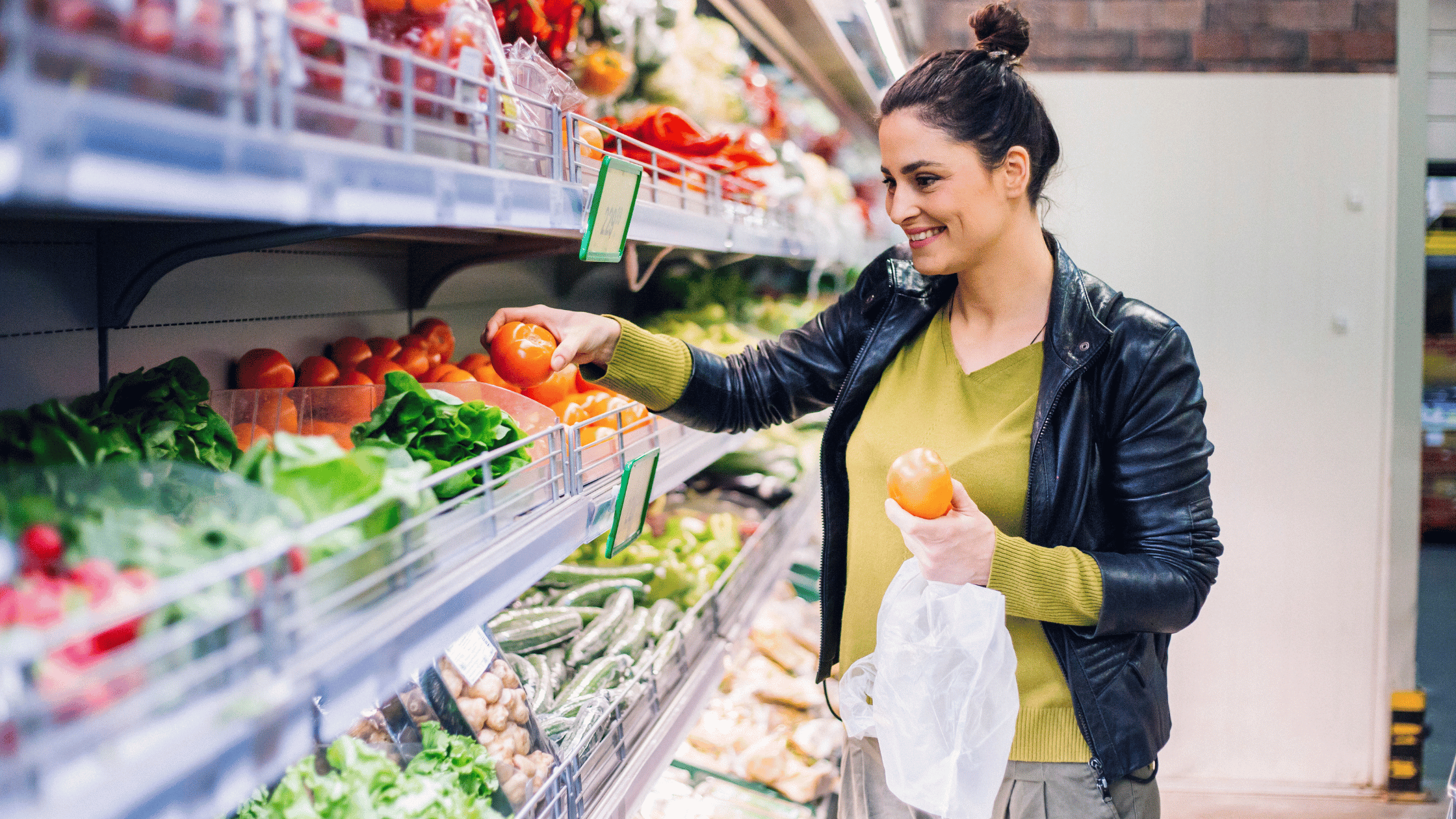
Suggested Alt Text: “Shopping list and grocery cart with fresh seasonal vegetables at a local market”