
Introduction
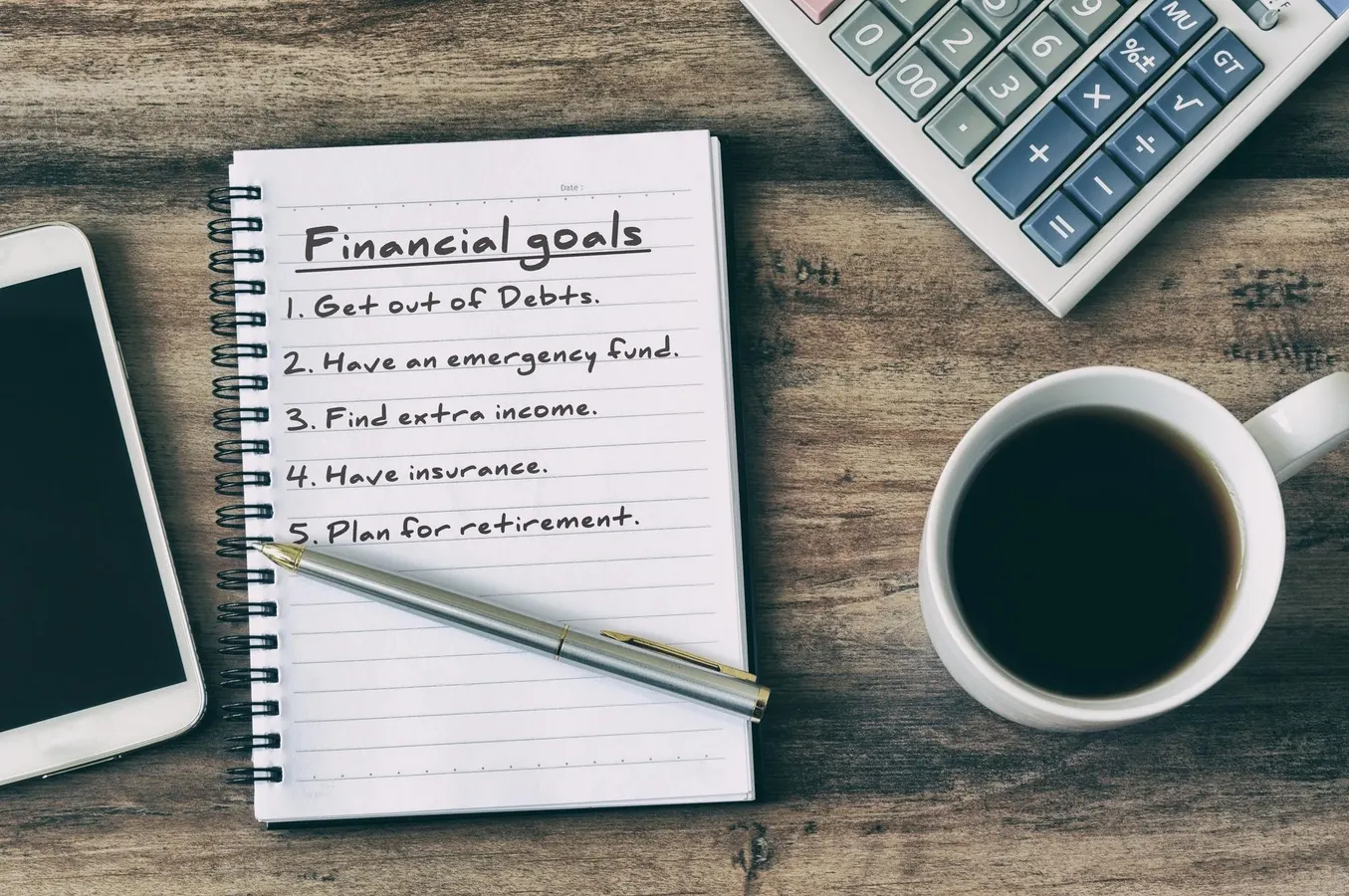
Turned 30 (or getting close to it) and suddenly every financial article seems aimed directly at you — buy a house, max out retirement savings, build generational wealth — all at once, as if that’s realistically achievable in one decade? Setting financial goals in your 30s genuinely matters, but it needs to be realistic and sequenced, not an overwhelming checklist you’re supposed to complete simultaneously.
Why Your 30s Matter So Much Financially
This decade often combines peak earning growth with peak financial responsibility — career advancement, possibly marriage, children, aging parents, and bigger purchases like a home. It’s genuinely a lot, which is exactly why sequencing your goals matters more than trying to tackle everything at once.
Step 1: Get Clarity on Where You Actually Stand
Quick answer: Before setting new financial goals in your 30s, calculate your current net worth (assets minus debts), review your emergency fund status, and assess your existing insurance cover — this baseline makes every goal that follows far more realistic and specific.
Priority 1: Solidify Your Emergency Fund
If you haven’t already built a solid emergency fund [link to related guide on how to build an emergency fund from scratch here], this remains priority one in your 30s, especially as responsibilities grow — a job loss or medical emergency hits much harder with dependents than it did in your 20s.
Priority 2: Increase Retirement Savings Meaningfully
Your 30s are when compounding really starts working in your favor if you begin seriously now, versus waiting until your 40s. Even increasing your retirement contribution by just 5% of your income during this decade can make a significant difference to your eventual corpus [link to related guide on how much money needed to retire here].
Priority 3: Plan for a Home Purchase Thoughtfully
Buying a home is often a major goal in this decade, but it shouldn’t come at the cost of your emergency fund or retirement savings. A reasonable approach:
- Save for a down payment of at least 20% to avoid excessive loan burden and higher interest costs
- Ensure your EMI doesn’t exceed roughly 30-40% of your monthly take-home income
- Factor in additional costs — registration, interiors, maintenance — beyond just the property price
Priority 4: Build Toward Children’s Education If Applicable
If you have or are planning children, starting an education fund early gives compounding significant time to work, since education costs, especially for higher studies, tend to rise faster than general inflation.
Priority 5: Review and Adjust Insurance Cover
Your insurance needs in your 30s typically look different than they did in your 20s — more dependents often mean you need higher life cover [link to related guide on term insurance vs whole life insurance here], and health cover requirements often increase too as family size grows.
Setting SMART Goals for This Decade
Rather than vague goals like “save more” or “invest better,” get specific:
- “Build a 6-month emergency fund of ₹3 lakh by the end of next year”
- “Increase retirement SIP contribution by ₹5,000 monthly within 6 months”
- “Save ₹15 lakh for a home down payment within 4 years”
Specific numbers with timelines make progress trackable, versus vague intentions that are easy to quietly abandon.
A Realistic Sequencing Example
Picture someone turning 32, earning ₹80,000 monthly, currently with a modest emergency fund and minimal retirement savings. A realistic sequence might look like: solidify the emergency fund to 6 months of expenses over the next year, simultaneously start or increase retirement SIP contributions, then begin a focused home down payment fund starting year two, once the first two priorities feel stable.
Don’t Neglect Reviewing Old Financial Decisions
Your 30s is also a good time to revisit decisions made in your 20s — old insurance policies that may no longer fit your needs, investments that were chosen without much research, or debt that’s been sitting around longer than necessary. A clean-up review every few years keeps your overall financial picture coherent.
FAQ
What should be the first financial goal to prioritize in your 30s? Generally, solidifying your emergency fund and reviewing insurance cover, since these protect everything else you’re trying to build before you take on bigger goals like a home purchase.
Is it too late to start investing seriously if I’m already in my mid-30s? Not too late at all — while starting in your 20s gives compounding more time, meaningful, consistent investing throughout your 30s and 40s still builds substantial wealth by retirement.
How do financial goals in your 30s change if you have children? Priorities typically expand to include education planning and often higher insurance cover, alongside existing goals like retirement and home ownership, requiring more careful budgeting across a wider set of goals.
Should I focus on paying off debt or investing more in my 30s? Generally prioritize paying off high-interest debt first, while maintaining basic retirement contributions, then increase investment allocation once high-interest debt is cleared.
How much of my income should go toward financial goals in my 30s combined? A common target is around 20-30% of take-home income across savings, investments, and extra debt repayment combined, adjusted based on your specific goals and existing obligations.
Conclusion
Setting realistic financial goals in your 30s means sequencing priorities rather than trying to achieve everything at once — start with emergency fund and insurance, build retirement savings steadily, and layer in bigger goals like a home purchase once the foundation feels solid. [link to related guide on financial planning for couples here] if you’re navigating these goals alongside a partner.
Suggested Alt Text: “Person in their 30s writing down financial goals and timeline in a planning journal”
