Introduction
Got your salary slip and no clue where it all went by the 20th of the month? You’re not alone. The 50/30/20 budget rule is probably the simplest framework out there for people who don’t want to build an elaborate Excel sheet just to track ₹200 spent on chai. It splits your income into three buckets — needs, wants, and savings — and honestly, once you try it for a month, it becomes second nature.
What Is the 50/30/20 Rule, Really?
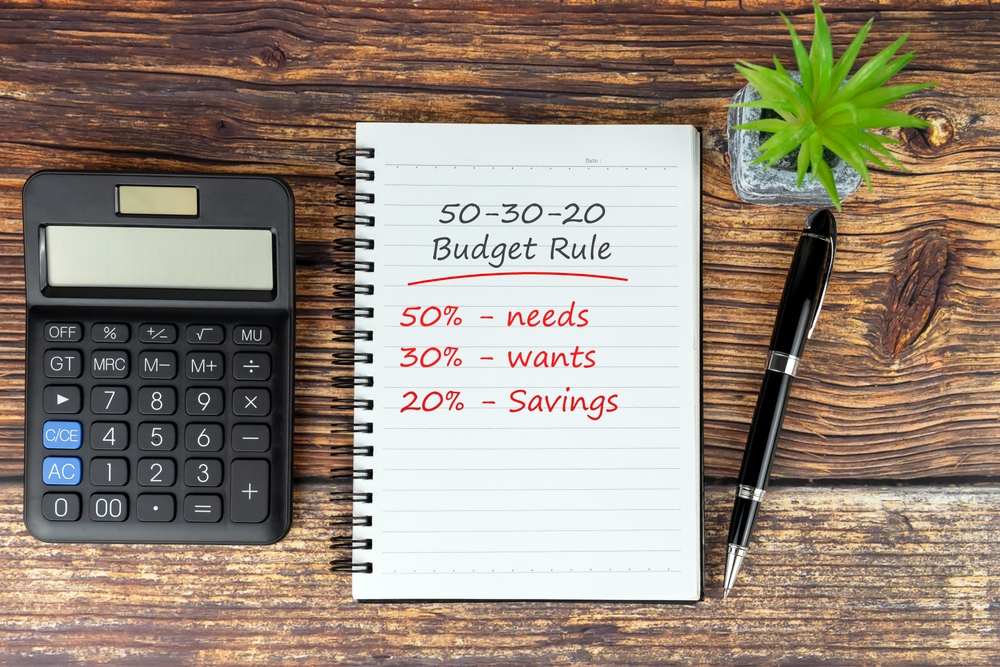
The 50/30/20 budget rule says: 50% of your take-home salary goes to needs, 30% to wants, and 20% to savings and debt repayment. It was popularized by US Senator Elizabeth Warren in her book, but it works just as well for a salaried employee in Pune as it does anywhere else.
Breaking Down the “50” — Your Needs
Quick answer: Needs are expenses you cannot skip without a real problem — rent, groceries, EMIs, utility bills, and basic transport. If your rent alone eats up 40% of your salary, the 50/30/20 rule is telling you something important about your living situation.
Common needs bucket items:
- House rent or home loan EMI
- Groceries and basic household supplies
- Electricity, water, gas bills
- Minimum insurance premiums
- Commute cost (fuel, public transport pass)
Breaking Down the “30” — Your Wants
This is the fun bucket, and also where most people overspend without realizing it. Wants include dining out, OTT subscriptions, shopping for things you don’t strictly need, vacations, and hobbies.
I’ve noticed that people often mix up needs and wants here — a ₹15,000 phone upgrade when your current phone works fine is a want, not a need, even if it doesn’t feel that way in the moment.
Breaking Down the “20” — Savings and Debt
The last chunk goes toward savings, investments, and paying off extra debt beyond the minimum. This could be:
- SIP investments in mutual funds
- Emergency fund contribution
- Extra EMI prepayment
- PPF or retirement account contribution
- Any high-interest debt payoff beyond minimum due
Does the 50/30/20 Rule Work in Every City?
Honestly? Not perfectly. In cities like Mumbai or Bengaluru, rent alone can cross 40-50% of a mid-level salary, which throws the whole ratio off. If that’s you, don’t panic — treat the rule as a direction, not a law. Maybe your split becomes 60/20/20 for a while until your income grows or you find cheaper housing.
How to Apply It on a ₹50,000 Monthly Salary
Let’s take a real example. Picture someone earning ₹50,000 take-home in Jaipur:
- Needs (50%): ₹25,000 — rent, groceries, bills, transport
- Wants (30%): ₹15,000 — eating out, shopping, subscriptions
- Savings (20%): ₹10,000 — SIP, emergency fund, extra debt payment
Seeing it broken down like this makes it way less abstract than just hearing “save 20% of your income.”
Common Mistakes People Make With This Rule
- Counting credit card minimum due as the only “debt” number and ignoring the rest
- Forgetting irregular expenses like annual insurance premiums, then getting surprised in that month
- Treating the 20% savings bucket as optional when income is tight, instead of adjusting the wants bucket first
- Not reviewing the split every 6 months as salary or expenses change
Tools to Track the 50/30/20 Split
You don’t need anything fancy. A simple Google Sheet with three columns works. If you want automation, budgeting apps or even your bank’s spend-analysis feature (many net banking apps now categorize transactions automatically) can do this for you.
FAQ
Is the 50/30/20 budget rule suitable for someone with a low salary? It can be tough if your needs already exceed 50%. In that case, aim for whatever savings percentage is realistic — even 10% is a solid start — and grow it over time.
Should EMIs be counted in needs or savings under the 50/30/20 rule? Home loan EMI usually goes into needs since it’s a fixed necessary payment. Extra prepayments or investment-linked EMIs can be counted under the savings bucket.
Can I apply the 50/30/20 rule if my income is irregular, like freelance work? Yes, but calculate it based on your average monthly income over the last 6 months rather than your best or worst month.
What if my wants bucket keeps going over 30% every month? That’s usually a sign to track spending for a month using an app, find the leak (subscriptions, food delivery are common ones), and cut from there rather than the savings bucket.
Is 20% savings enough for retirement planning? For most people starting out, yes, it’s a reasonable base. As income grows, increasing this percentage rather than increasing lifestyle spending makes a big long-term difference.
Conclusion
The 50/30/20 budget rule isn’t perfect for every city or every salary bracket, but it gives you a starting point that’s easy to remember and easy to apply. Start with your actual numbers this month, adjust the percentages if your city’s rent is brutal, and revisit it every six months. [link to related guide on building a monthly budget here] for a more detailed breakdown if this is your first time budgeting seriously.
Suggested Alt Text: “Pie chart showing 50/30/20 budget rule split of needs, wants, and savings”