Introduction
Car breaks down. Medical bill shows up out of nowhere. Company announces layoffs. If any of these happened to you today, would you have money set aside, or would you be reaching for a credit card? Knowing how to build emergency fund savings isn’t glamorous, but it’s the one financial habit that quietly protects everything else you’re trying to build. And no, you don’t need six months’ worth of expenses saved up overnight — you can get there in six months with a plan.
Why Most People Never Actually Start
People know they should have an emergency fund. Almost everyone does. But it keeps getting pushed to “next month” because there’s always something more urgent — a wedding gift, a phone repair, a weekend trip. The truth is, emergency funds don’t get built by waiting for extra money. They get built by deciding on a fixed amount and treating it like a bill you can’t skip.
Step 1: Set a Realistic Target First
Quick answer: A good starting target for how to build emergency fund savings is 3-6 months of essential expenses — rent, groceries, EMIs, and utilities. Beginners can start smaller with a 1-month buffer and build up from there.
To calculate this:
- Add up your fixed monthly needs (not wants)
- Multiply by 3 for a starter goal, or 6 for a fuller cushion
- That’s your target number — write it down somewhere visible
Step 2: Open a Separate Account for It
This one sounds small but makes a real difference. Keep your emergency fund in a separate savings account, not mixed with your regular spending account. Out of sight really does mean out of mind (in a good way) — you’re less tempted to dip into it for a weekend sale.
Month-by-Month Plan to Build It in 6 Months
Here’s a practical way to spread this out, assuming a target of ₹90,000 (roughly 3 months of expenses for a mid-income earner):
- Month 1: ₹5,000 — start small, get the habit going
- Month 2: ₹10,000 — increase as you trim one unnecessary expense
- Month 3: ₹15,000 — use any bonus or extra income here
- Month 4: ₹15,000 — maintain the pace
- Month 5: ₹20,000 — push a bit harder if possible
- Month 6: ₹25,000 — final push to hit the target
Numbers will obviously differ based on your salary, but the increasing pattern helps — starting small keeps you from giving up in week one.
Where Should the Emergency Fund Actually Sit?
Don’t invest this money in stocks or even mutual fund equity schemes — it needs to be accessible within a day or two, not tied up or subject to market dips right when you need it most. Good options:
- High-interest savings account
- Liquid mutual funds (redeemable in 1 working day usually)
- Sweep-in fixed deposits linked to your savings account
Step 3: Automate It Like a Bill
Set up an auto-transfer the day your salary comes in, before you get a chance to spend it elsewhere. This is genuinely the single biggest factor in whether people succeed at this — automation removes the willpower requirement entirely.
What Counts as a Real Emergency?
I’ve noticed people struggle with this line. A genuine emergency is job loss, medical treatment, urgent home or vehicle repair — not a flash sale on a laptop you’ve wanted for months. Ask yourself: would I be in real trouble if I didn’t spend this right now? If the answer is no, it’s not an emergency fund situation.
What If You Have a Financial Setback Mid-Way?
Life happens. If you dip into the fund for a genuine emergency in month 4, don’t treat it as failure — just restart the monthly contribution plan from wherever you left off. The goal is progress, not a perfect unbroken streak.
FAQ
How much money should be in an emergency fund for a single person? Generally 3-6 months of essential expenses. Someone with a stable government job might lean toward 3 months, while a freelancer or business owner might want closer to 6-9 months.
Should I pay off debt first or build an emergency fund first? A small starter fund (around 1 month of expenses) first, then focus on high-interest debt, then build the rest of the emergency fund. This avoids going further into debt if an emergency hits mid-way.
Can I use a mutual fund for my emergency fund? Liquid funds are a reasonable option since they’re low-risk and can be redeemed quickly, but keep at least a portion in a plain savings account for instant access.
Is 6 months always the right target for how to build emergency fund savings? Not always — it depends on job stability, dependents, and existing insurance cover. Some people are comfortable with 3 months; others prefer a full year.
What if my income isn’t fixed every month? Base your monthly contribution on your lowest-earning month from the past year, not your average, so you don’t fall short during a slow period.
Conclusion
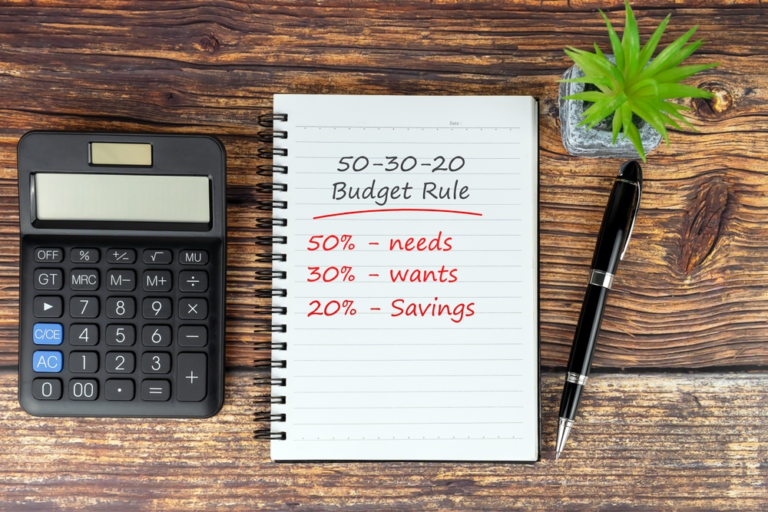
Learning how to build emergency fund savings isn’t about having extra money lying around — it’s about deciding this is non-negotiable and automating it before life eats into your salary. Start small, increase monthly, keep it in an accessible account, and don’t beat yourself up if you dip into it once in a while. [link to related guide on the 50/30/20 budget rule here] to see how this fits into your overall monthly plan.
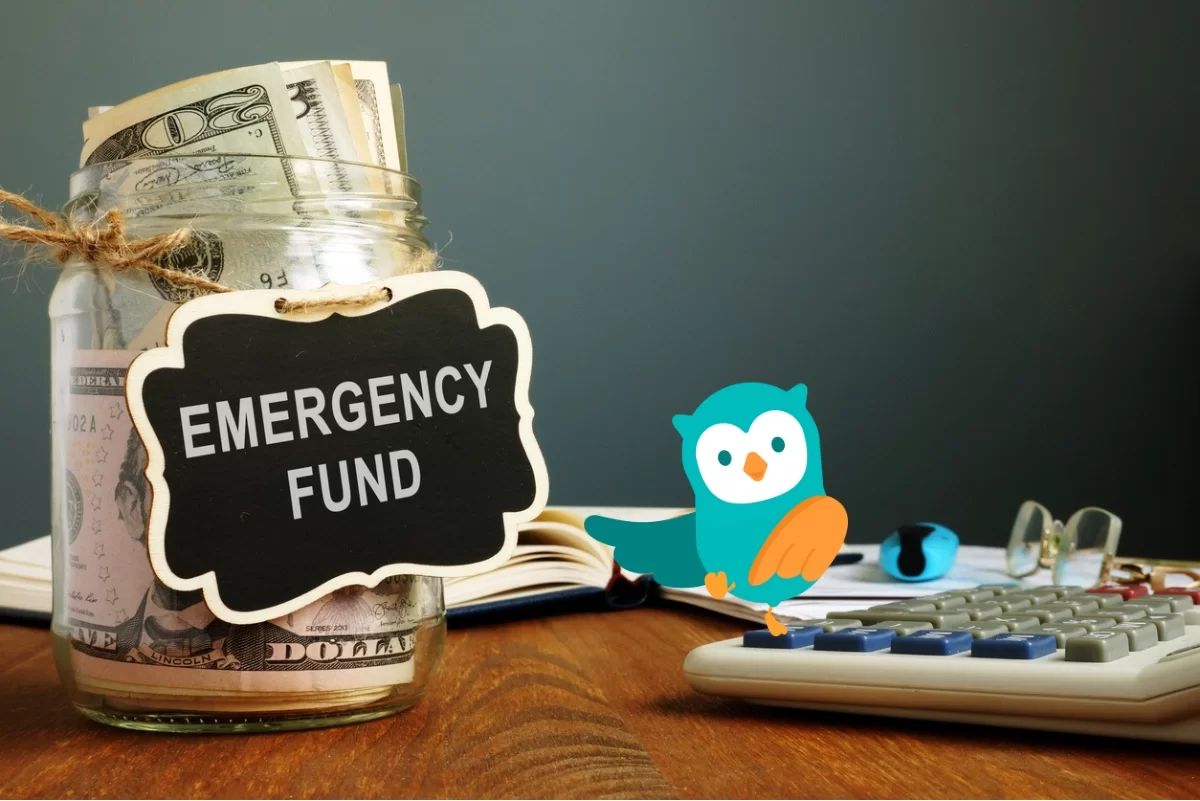
Suggested Alt Text: “Jar of coins labeled emergency fund next to a monthly savings tracker sheet”